
Fairhope Elementary
Itasca, TXEffective leaders of organizations with healthy cultures have a bias toward action. Certainly they are guided by sound beliefs, but beliefs must become practices before they can be anything other than lofty notions. The potential power of beliefs is in their ability to motivate and animate action - to improve the quality of leader and team behaviors.
Select your plan


The question:
Can your organization consistently accomplish its mission—regardless of changing circumstances and leadership?
The challenge:
Understand the organizational conditions that make that possible.
The promise:
Those conditions can be measured and improved.
The mission:
The sustained systemic success of your mission.
You know your student achievement data.
Do you know the organizational conditions producing it?

Goal Focus
The degree to which goals are clear, accepted, supported, internalized, and advocated.Cohesiveness
The state when persons or groups have a clear sense of identity, are attracted to membership, want to stay, and are willing to influence and to be influenced.Adaptation
That ability to tolerate stress and maintain stability while changing to meet the unique needs of their stakeholders.Autonomy
That state in which a person, group or organization have the freedom to fulfill their roles and responsibilities.Education
Retail
500k
Items Sold300+
CustomersORGANIZATIONAL HEALTH is
The capacity of an organization to function effectively, grow appropriately, adapt successfully, and achieve its mission.

Powerful Shortcuts
Tired of clicking "Save" when you need to update your spreadsheet? Now with the power of modern keyboard shortcuts you can save time!Dr. Marvin Fairman
The word.
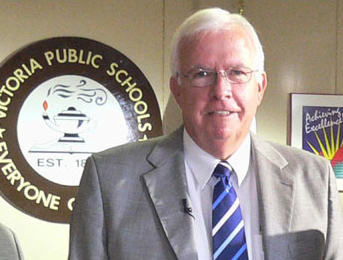
Before signing the contract with my last three superintendent positions, I secured the support and financial commitment to invest in OH's diagnostic and development process.“
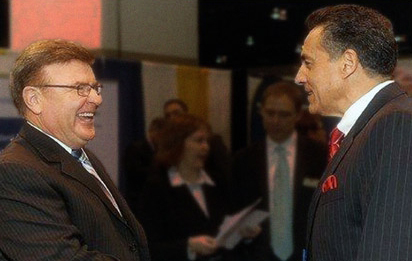
My success in using the OH process gave me the confidence to interview and be selected by Dr. Dan Domenech for an Assistant Superintendent position in Fairfax County Public Schools, Virginia."
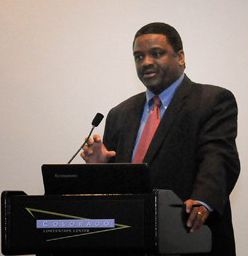
I used Organizational Health's diagnostic component as a key part of my entry plan as a first year superintendent.
COHESIVENESS
MARVIN FAIRMAN


Why do some organizations consistently accomplish their mission while others, facing many of the same challenges, do not?
Can we identify, measure, and intentionally improve the organizational conditions that make sustained success more likely?

The first milestone was the development of the Organizational Health Instrument (OHI).
Years of research established its reliability and validity, while an expanding national database made it possible to compare schools with similar schools and organizations with similar organizations.
For the first time, leaders could receive objective feedback describing the organizational conditions within their own schools or organizations.

The Ten Dimensions of Organizational Health explained how organizations function.
The Six Leadership Beliefs explained how leaders influence those conditions.
The Big Three—Goal Focus, Cohesiveness, and Adaptation—identified the organizational conditions most closely associated with sustained performance.
Leadership models helped explain how individuals and teams move from dependence, to independence, to interdependence.
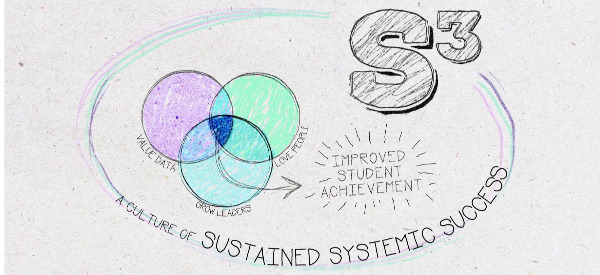
The Sustained Systemic Success™ Model connected all of these concepts into a single framework, demonstrating how leadership influences culture, culture shapes organizational health, and healthy organizations consistently produce better outcomes.
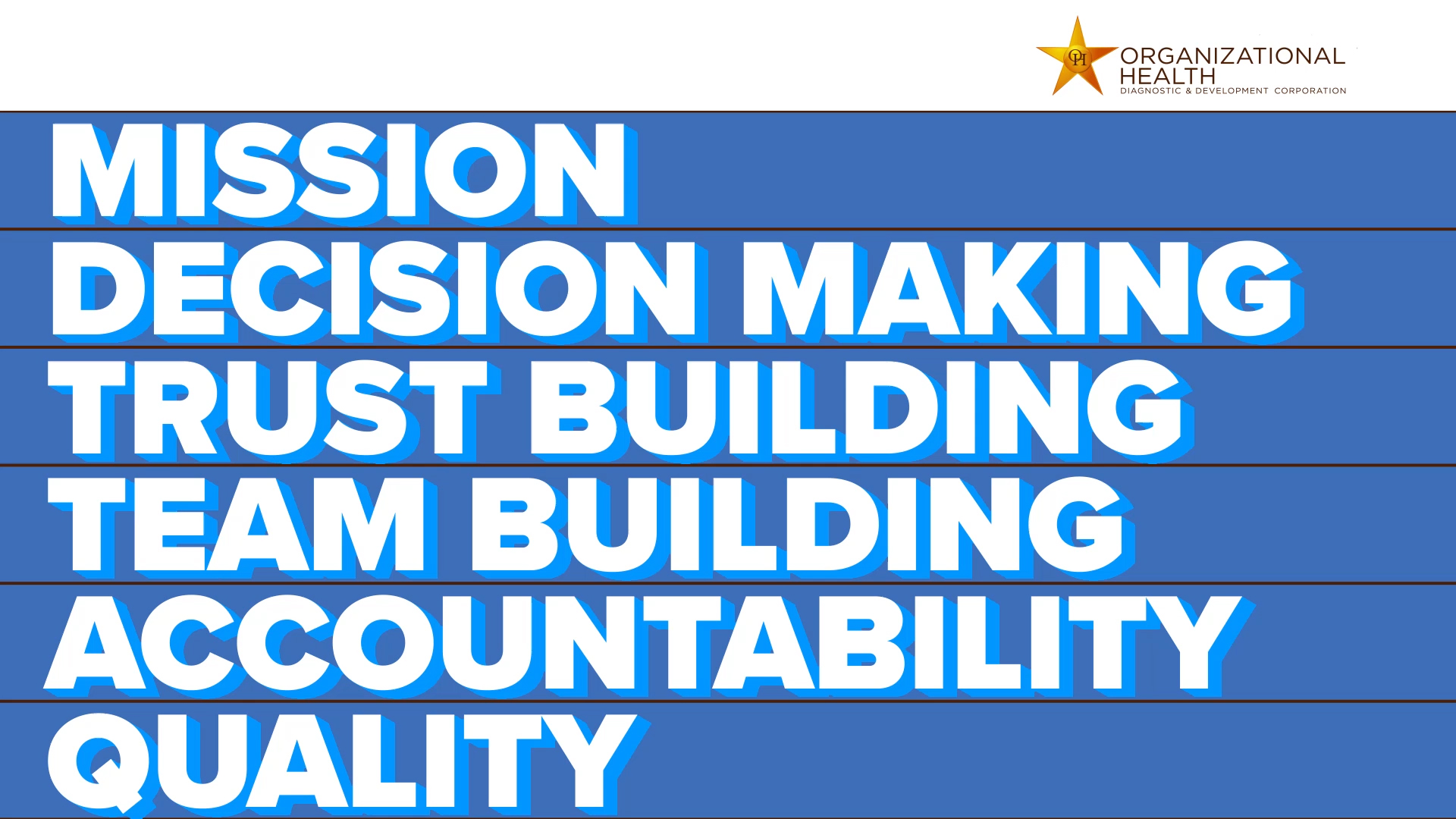
Mission and values alone aren't enough.
The organization itself can work against its stated purpose.
Health makes sustained systemic success possible.
Why do some schools in the same district consistently outperform others?


Why does your best store seem to handle turnover, change and pressure better than the one five miles away?
Why are good teachers leaving your school — and what would make the good ones stay?

What makes one restaurant manager build a team while another constantly rebuilds a staff?
Organizational Health is no longer simply an assessment.
It is a comprehensive system for helping organizations understand themselves, develop leadership capacity, improve culture, and achieve sustained success.
The assessment provides objective data.
The reports transform information into insight.
The leadership framework turns insight into action.
The consulting process develops leaders.
The conceptual models create shared understanding.
Together, these elements form an integrated organizational operating system—one designed to help leaders build healthier organizations capable of adapting, growing, and succeeding over time.
Our mission has never been to administer surveys.
Our mission has always been to help organizations become healthy enough to accomplish everything else they hope to achieve.
Start off a section
Feature title
This is a spot where you can elaborate on a particular detail of your product
Another feature
This is a spot where you can elaborate on a particular detail of your product
Yet another feature
This is a spot where you can elaborate on a particular detail of your product
Take a look at these big numbers that make us look cool
What people are saying


Make people want to look at your gallery here
We write things every now and again
Simple pricing options
Developer
Up to 3 projects with generous quota
Two users per project
Community-based support
Professional
Everything in the “Developer” plus...
10 collaborators included on each project
Expanded authoring roles to support most publishing workflows
Technical support via email


Creatives Focused on Connection
Mission
Every organization wants better results.
Schools want higher student achievement. Businesses seek stronger performance. Government agencies strive to deliver better services. Nonprofits want greater impact.
The challenge is that most organizations focus first on improving outcomes while giving far less attention to the organizational conditions that produce those outcomes.
More than forty years ago, that observation launched a journey that continues today.

Services
As consulting expanded, we discovered that recurring organizational challenges could be traced to recurring leadership decisions.
Questions about power, trust, collaboration, communication, quality, and accountability appeared in organization after organization.
Rather than simply solving individual problems, we began identifying the principles that prevented those problems from occurring.
Those principles ultimately became the Six Leadership Beliefs.
The Leadership Beliefs transformed Organizational Health from a descriptive assessment into a practical framework for developing leadership capacity throughout an organization.